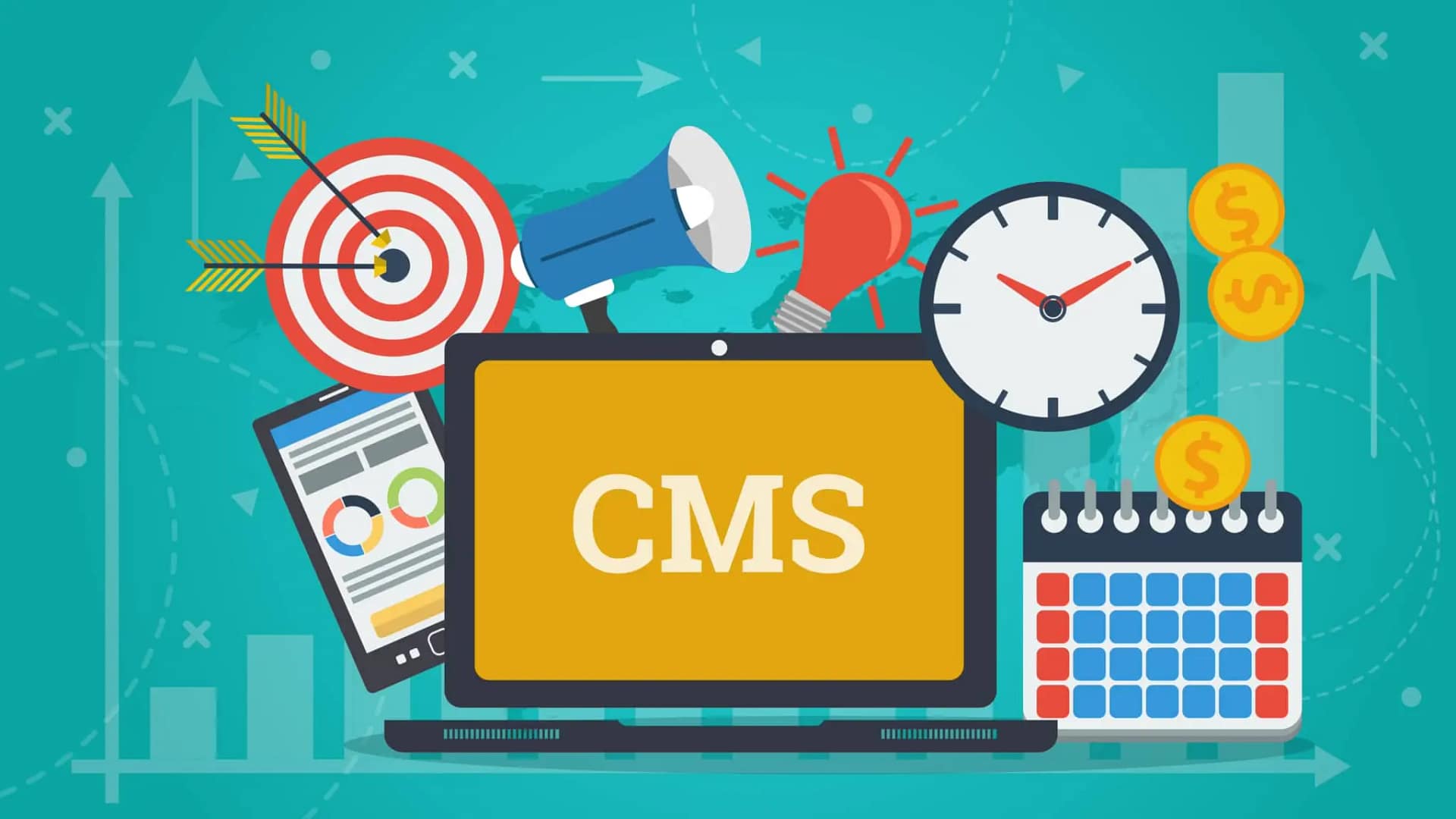
Making the appropriate CMS choice can be crucial. It’s critical for web designers and marketers to make the right choice when selecting a CMS because it forms the foundation of your website. Due to the abundance of options, it’s critical to compare various CMS platforms in order to identify the one that best suits your company’s goals. This article will discuss some common CMS options and suggest the one that best meets your needs. WordPress:. With over 40% of all websites on the internet running on it, WordPress is frequently regarded as the king of CMS platforms. Its user-friendly design, sizable library of plugins, and sizable developer community all contribute to its popularity. WordPress provides a wide range of editable themes and templates that make it simple for web designers to build aesthetically pleasing websites. Its SEO-friendly features and numerous analytics, analytics, and email marketing plugins are helpful to marketers. User-friendly interface suitable for beginners and experienced users. Vast library of themes and plugins for customization. Excellent SEO plugins for optimizing content. Active community support for problem-solving and tutorials. Ideal for blogging and content-focused websites. Joomla:. Another powerful CMS that serves a more sophisticated user base is Joomla. It provides greater flexibility in terms of content types and structures, which makes it a fantastic option for companies with complex requirements. International companies are drawn to Joomla’s robust security features and multilingual support. But compared to WordPress, it might have a more difficult learning curve. Offers greater flexibility for managing complex content structures. Extensive library of extensions for diverse functionality. Strong SEO capabilities and support for multilingual content. Better suited for organizations with technical expertise. May have a steeper learning curve compared to WordPress. Drupal:. Large businesses and government websites should consider using Drupal because of its scalability and high level of security. Drupal is incredibly versatile and can handle complex content structures with ease, despite perhaps not being as user-friendly as WordPress. Drupal’s sophisticated personalization and targeting features can be used by marketers to provide a customized user experience. Highly scalable and secure, ideal for large enterprises. Advanced personalization and targeting capabilities. Robust security features to protect sensitive data. Requires a team of developers for effective management. Complex and not recommended for beginners. Shopify:. Shopify is a top option for companies with an e-commerce focus. It provides a simple and clear platform for establishing online shops. Its integrated features for SEO and various marketing tools are advantageous to marketers. Despite being ideal for e-commerce, Shopify might not be the best option for websites with lots of content or for companies with a variety of requirements. Specializes in e-commerce with a seamless platform. Simplifies product listing, payment processing, and inventory management. Provides tools for optimizing product pages and running promotions. Integrates with email marketing and social media platforms. Less suitable for non-e-commerce or content-heavy websites. Wix:. Wix is an easy-to-use, all-in-one website builder that combines web design and content management. It’s the best option for startups and small businesses that want to build an online presence quickly. Although it might not offer as much customization as WordPress or Joomla, it’s incredibly simple to use and comes with a variety of marketing tools and integrations. All-in-one website builder with a user-friendly interface. Ideal for small businesses and startups for quick web presence. Offers templates and drag-and-drop design tools for ease of use. Built-in marketing features, including SEO tools and email marketing. Customization options may be limited compared to advanced CMS platforms. Recommendation:. Your unique needs and objectives will have a major impact on the CMS you choose. The following suggestions are provided. WordPress or Wix are great options if you’re a small business or blogger looking for simplicity and ease of use. Drupal or Joomla may be better suited for complex websites that require advanced functionality and security. Shopify is a top choice if your main area of interest is e-commerce. In conclusion, there isn’t a CMS solution that works for everyone. Before making a choice, consider your needs, finances, and technical proficiency. In order to ensure that your website remains competitive in the world of web design and marketing, it’s also crucial to keep in mind that the CMS landscape is constantly changing. Stay informed about the most recent developments in this area.

Effective Design Strategies for Memorable Advertising Campaigns
In the competitive world of advertising, capturing the attention of your target audience is essential for success. A well-executed design strategy can make all the difference in creating memorable and impactful advertising campaigns. In this article, we will explore effective design strategies that can elevate your advertising efforts and help you create campaigns that leave a lasting impression on your audience. Understanding Your Target Audience: Learn how to conduct thorough market research and audience analysis to gain a deep understanding of your target audience. By understanding their preferences, interests, and demographics, you can tailor your design strategy to resonate with them effectively. Crafting a Compelling Visual Identity: Explore the importance of developing a strong visual identity for your brand or campaign. From creating a distinct logo and color palette to selecting appropriate typography, discover how to design visuals that align with your brand’s personality and values. The Power of Simplicity: Delve into the concept of simplicity in design and its impact on advertising campaigns. Understand how minimalist and clean designs can grab attention, communicate messages effectively, and create a memorable brand image. Visual Hierarchy and Information Architecture: Learn about the principles of visual hierarchy and information architecture and how they contribute to the success of your advertising design. Discover techniques such as strategic placement of elements, use of white space, and clear typography to guide viewers’ attention and enhance message comprehension. Leveraging Emotional Appeal: Understand the significance of evoking emotions through design in advertising campaigns. Explore techniques to create visually compelling and emotionally resonant designs that connect with your audience on a deeper level. Incorporating Storytelling in Design: Discover the power of storytelling in advertising and how it can be effectively integrated into your design strategy. Learn how to create visual narratives that captivate your audience and communicate your brand’s message effectively. Harnessing the Impact of Colors and Imagery: Explore the psychological impact of colors and imagery in advertising design. Understand how different color palettes and visuals can evoke specific emotions and influence consumer perceptions. Consistency Across Multiple Channels: Discover the importance of maintaining consistency in design across various advertising channels. Learn how to adapt your design strategy to different mediums while maintaining a cohesive brand identity and message. Testing and Iterating Designs: Emphasize the significance of testing and iterating your advertising designs. Explore techniques such as A/B testing and user feedback to refine your designs and improve their effectiveness. Keeping Up with Design Trends: Stay up-to-date with the latest design trends in the advertising industry. Explore emerging design techniques, technologies, and platforms that can give your campaigns a competitive edge. Conclusion: By implementing these effective design strategies in your advertising campaigns, you can create visually captivating and memorable experiences for your audience. Remember to continuously analyze and adapt your designs based on audience feedback and evolving trends to ensure that your campaigns remain impactful and successful.
